
 Help
Help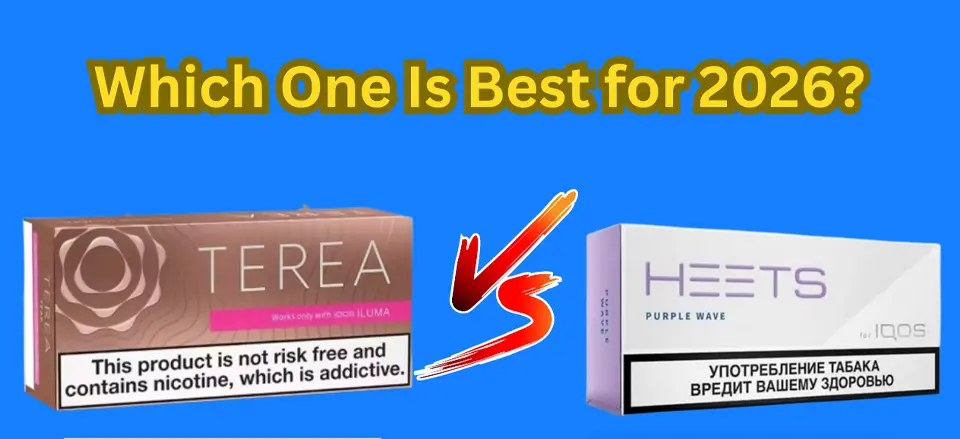
TEREA vs HEETS — What’s the Real Difference?
At first glance, TEREA and HEETS look like the same thing. Both are heatsticks, both are used with IQOS, and both are designed to replace traditional cigarettes. But in reality, they represent two different generations of technology — and understanding that difference is critical.
Most users in the UK don’t make a conscious choice between them. They simply buy what they see first, or what they used before. That’s why many end up confused when something “doesn’t work” or “feels different.”
The truth is simple: TEREA and HEETS are not interchangeable. They are built for different devices, different systems, and slightly different user experiences. Once you understand how they differ, your entire IQOS setup becomes clearer — and your buying decisions become much more precise.
Quick Answer
TEREA is designed for the newer IQOS ILUMA system using induction heating, while HEETS are made for older blade-based IQOS devices. They are not compatible with each other. TEREA offers a cleaner, more consistent experience, while HEETS provide a more traditional feel.
Who This Guide Is For
This guide is for:
• UK users choosing between TEREA and HEETS
• IQOS beginners unsure what to buy
• Users upgrading to newer IQOS devices
• Buyers who want to avoid compatibility mistakes
If you’ve ever wondered why some sticks don’t work with your device — this guide explains everything.
The Core Difference — Technology
The real difference between TEREA and HEETS is not flavor or branding — it’s technology.
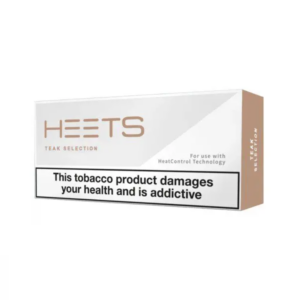
HEETS were designed for older IQOS devices that use a heating blade. The tobacco stick is inserted, and the blade heats it from the inside. This system has been around for years and is still widely used.
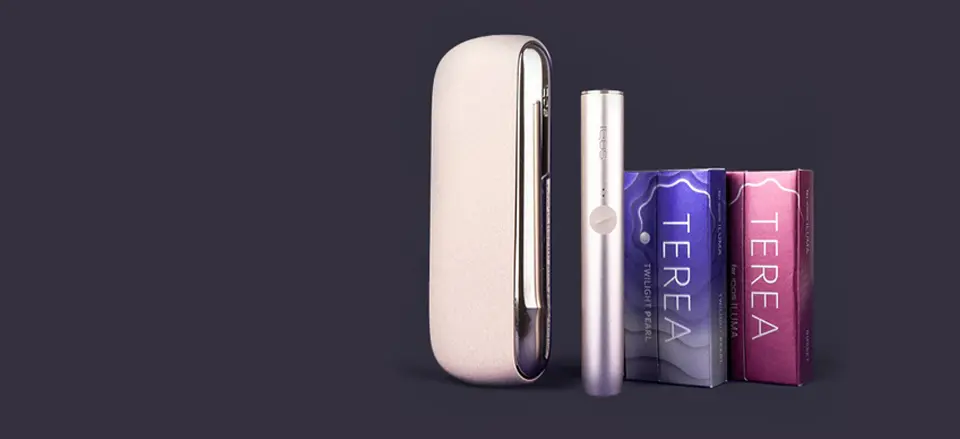
TEREA, on the other hand, was created for the newer ILUMA system, which uses induction heating. There is no blade. The device heats the tobacco from the outside using a metal element inside the stick.
This changes everything.
The experience becomes cleaner, more consistent, and less prone to issues like residue or breakage. That’s why newer users moving into the ILUMA ecosystem are directed toward options like the TEREA sticks category, where the entire product line is built around this updated technology.
Understanding this difference alone eliminates the biggest mistake users make: buying incompatible products.
Compatibility — The Most Important Factor
This is where most beginners fail.
TEREA and HEETS are not interchangeable.
If you have an ILUMA device, HEETS will not work.
If you have an older IQOS device, TEREA will not work.
There is no workaround.
This is why choosing the correct system — including the right device, such as the IQOS ILUMA kits — is the foundation of everything else. Once the device is defined, the choice between TEREA and HEETS is no longer optional — it is determined.
Beginners often overlook this and assume all heatsticks are universal. That assumption leads to frustration, wasted money, and confusion.
Experience — How They Actually Feel
Beyond compatibility, the second major difference is experience.
HEETS deliver a more traditional sensation. Because of the blade heating system, the tobacco interaction feels closer to a conventional cigarette structure. Many long-time users prefer this because it feels familiar.
TEREA, in contrast, offers a more controlled and refined experience. The induction system produces consistent heating without direct contact, which results in smoother delivery and less variability between uses.
For example, a variant like TEREA Amber reflects this approach — balanced, stable, and designed for a cleaner session from start to finish.
This is not about which is better universally — it’s about which matches your expectation.
Flavor Systems — Not Just Names
Another common misunderstanding is that TEREA and HEETS share identical flavor structures.
They don’t.
Even when flavor names appear similar, the delivery can differ due to heating method and internal design. This is why exploring dedicated breakdowns like HEETS flavours in the UK and TEREA flavours in the UK is essential before making a decision.
Beginners often assume that choosing a flavor is enough. Experienced users understand that flavor perception is influenced by the entire system — device, heating method, and stick design.
System Thinking — Why This Choice Matters
Choosing between TEREA and HEETS is not just about the sticks. It’s about entering a system.
Once you choose a device, you are choosing:
• compatibility
• experience type
• flavor ecosystem
• long-term usage pattern
This is why understanding the broader context — as explained in guides like IQOS complete guide UK — is critical.
Beginners think in products.
Experienced users think in systems.
Buying in the UK — What Users Get Wrong
Many UK buyers make the same mistake: they focus on availability instead of compatibility.
They see what’s available, choose quickly, and only later realize the mismatch.
A more structured approach — like the one explained in buy TEREA in the UK — shows how to align device, sticks, and expectations before purchasing.
This eliminates almost all beginner errors.
Payment and Process Awareness
Another overlooked factor is the purchasing process itself.
Understanding how payments work — especially for alternative systems — helps avoid confusion during checkout. A page like payment methods provides clarity on how transactions are structured and why certain options are used.
Experienced buyers don’t just choose products — they understand the process around them.
Real Usage Differences — What You Actually Notice
Once you move beyond theory, the difference between TEREA and HEETS becomes practical. It’s not about specs — it’s about how the experience feels during daily use.
HEETS, built around the blade heating system, create a more direct interaction with the tobacco. The heating element penetrates the stick, producing a sensation that many users describe as closer to traditional smoking. There is a certain rawness to it — not necessarily negative, but more pronounced.
TEREA shifts that entirely. Because the ILUMA system uses induction heating without a blade, the interaction becomes indirect and more controlled. The result is a smoother, more stable delivery with less variation between sessions. You don’t feel the same intensity spikes or inconsistencies that sometimes appear with blade-based systems.
This difference becomes more noticeable over time. A beginner might not immediately recognize it, but experienced users feel it within a few sessions.
The key takeaway is simple: HEETS feel more familiar, TEREA feels more refined.
Maintenance and Practical Use
One of the most overlooked differences is maintenance.
Blade-based systems require attention. Residue builds up over time, cleaning becomes necessary, and improper use can lead to issues such as broken sticks or reduced performance. This is not a flaw — it’s part of how the system works.
TEREA eliminates most of this.
Because there is no blade, there is no direct contact with the tobacco in the same way. This significantly reduces residue buildup and simplifies the overall experience. For many users, this is one of the strongest arguments in favor of ILUMA and TEREA.
The difference is not dramatic in a single use — but over weeks and months, it becomes very clear.
Experienced users often prioritize consistency and ease of use over everything else. Beginners usually discover this factor only after experiencing inconvenience.
Real Decision Scenarios (What Actually Works)
In practice, users fall into clear patterns.
If someone is starting from zero and choosing a new device, they are effectively choosing between two ecosystems. In most modern cases, the ILUMA system with TEREA is the preferred direction because it removes friction and simplifies usage. The experience is more predictable, and the system requires less effort over time.
If a user already owns an older IQOS device, the decision is different. Staying with HEETS is often the most practical option unless they are ready to upgrade the entire system. Switching to TEREA requires a device change — and that should be a conscious decision, not an impulse.
If a user is transitioning, expectations must be managed. The experience will feel different. Not worse, not better — different. And understanding that difference prevents unnecessary disappointment.
These scenarios show that the “right choice” is always contextual.
The Biggest Decision Mistake to Avoid
The most damaging mistake is trying to combine systems mentally.
Users often think:
“I’ll just try both and see what works.”
But in reality, the device defines the ecosystem. You are not choosing between two interchangeable options — you are choosing between two separate environments.
Another mistake is overthinking the decision.
There is no perfect choice. Both systems are valid. The goal is not perfection — it is alignment.
Once the device and expectation match, the decision is already correct.
Final Thoughts — It’s Not About Better, It’s About Fit
The question “Which is better — TEREA or HEETS?” is fundamentally wrong.
The real question is:
“Which system fits my device, my expectations, and my usage style?”
Once you ask the right question, the answer becomes simple.
TEREA is not replacing HEETS in a universal sense. It is evolving the system for a different type of experience. Both options exist because different users want different things.
And that’s the key insight.
The best choice is not the newest or the most popular — it’s the one that aligns with how you actually use the product.







Add comment
You must be logged in to post a comment.