
 Help
Help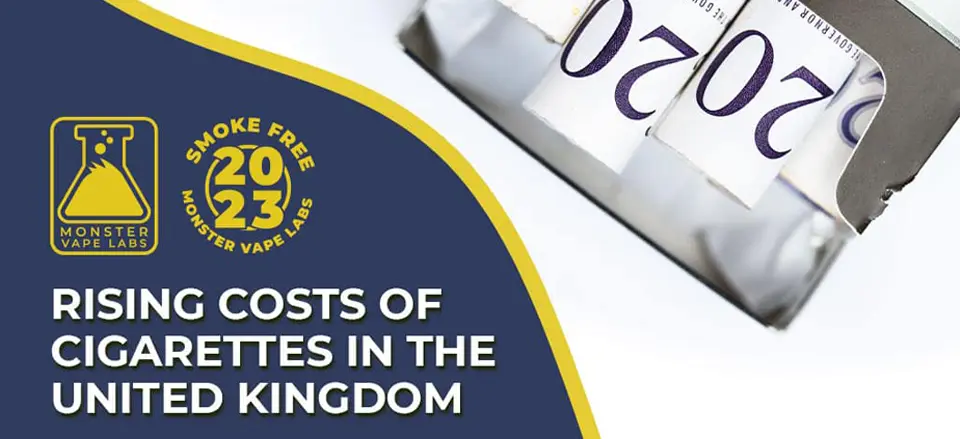
Cigarette Prices in the UK
If you’ve bought cigarettes in the UK recently, you’ve probably had the same reaction everyone else has — “How did it get this expensive?”
The UK now has some of the highest cigarette prices in the world. What used to be a casual daily purchase has turned into a serious monthly expense. For many smokers, this isn’t just about habit anymore — it’s about budgeting, strategy, and understanding the market.
In this guide, we break everything down:
• Real cigarette prices in 2026
• Why prices keep increasing every year
• Which brands are considered “premium” vs “budget”
• How smokers are adapting to these changes
And most importantly — what this means for you if you’re buying cigarettes in the UK today.
Quick Answer (2026 Snapshot)
• Average pack price: £13 – £18
• Premium brands: up to £16–£18 per pack
• Budget brands: around £11–£13 per pack
• Monthly cost (1 pack/day): £390 – £540+
Why Cigarettes Are So Expensive in the UK
The short answer: taxes.
The real answer: a system designed to reduce smoking.
1. Tobacco Tax Strategy
The UK government applies one of the highest tobacco taxes globally. This includes:
• Specific tax per cigarette
• Percentage-based tax (ad valorem)
• VAT (20%)
This means every time prices go up — they compound, not just increase.
For example, a pack like Marlboro Red is not expensive because of production — it’s expensive because of taxation layers.
2. Annual Price Increases (Budget Policy)
Every year, the UK government increases tobacco duty above inflation.
👉 This creates a predictable trend:
• Prices go up every year
• Cheapest options become less accessible
• Smokers gradually reduce consumption
3. Regulation & Standardisation
The UK also enforces:
• Plain packaging laws
• Minimum pack sizes
• Strict import regulations
All of this limits competition and keeps pricing high across the board.
Real Cigarette Prices in 2026
Let’s break down actual price ranges.
Premium Segment
These are the most recognized international brands:
• Marlboro
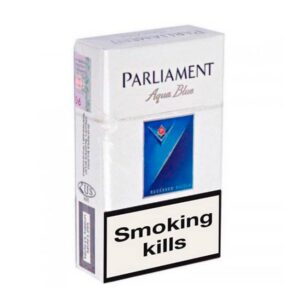
• Parliament
• Camel
Typical price:
👉 £15 – £18 per pack
Premium smokers usually value:
• Consistency
• Brand recognition
• Smoothness
Mid-Range Segment
These include brands like:
• Winston
• LD
• Chesterfield
Typical price:
👉 £13 – £15
These are often considered the “balanced choice” — not too expensive, not too cheap.
Budget Segment
Lower-cost options:
• Local UK brands
• Less marketed products
Typical price:
👉 £11 – £13
However, the gap between budget and premium is shrinking every year.
Monthly Cost Reality
Let’s make this real.
If you smoke:
• 1 pack/day → £400–£500/month
• 2 packs/day → £800–£1000/month
This is why many smokers are actively searching for alternatives or better ways to manage costs.
👉 Related reading:
• Cheapest cigarette options
Who This Guide Is For
This article is especially useful if:
• You’re trying to understand UK cigarette pricing
• You’ve noticed your spending increasing
• You’re comparing brands and value
• You’re exploring alternatives like heated tobacco
Where Most People Buy Cigarettes in the UK
The majority of purchases still happen through:
• Supermarkets
• Local shops (off-licences)
• Petrol stations
Brand Comparison — What Are You Really Paying For?
When cigarette prices rise, one question becomes more important than ever:
👉 Are premium brands actually worth it?
Let’s break it down objectively.
Marlboro vs Winston vs Camel
These three brands dominate different segments of the UK market.
Marlboro (Premium Benchmark)
Often seen as the “gold standard,” Marlboro represents:
• Strong, consistent taste
• Global brand recognition
• High manufacturing standards
But here’s the reality:
👉 You are paying not just for tobacco — but for branding, positioning, and perception.
Winston (Balanced Choice)
Winston sits in the middle:
• Slightly more affordable
• Still reliable in quality
• Less “premium branding pressure”
For many smokers, this becomes the logical long-term choice when prices rise.
Camel (Distinct Profile)
Camel is known for:
• A slightly different flavor profile
• A loyal but more niche audience
• Mid-to-premium pricing
It’s often chosen by smokers who prioritize taste variation over brand status.
The Real Difference (Honest Insight)
Here’s something most people don’t say clearly:
👉 The difference between brands is smaller than the price gap suggests.
Yes, there are differences in:
• Blend
• Smoothness
• Aftertaste
But for many smokers, especially daily users:
👉 The financial difference matters more over time than the taste difference.
Real-Life Smoking Scenarios (2026)
Let’s move from theory to reality.
Scenario 1 — Heavy Smoker
• 1–2 packs per day
• Monthly spend: £500–£900
Behavior in 2026:
• More likely to switch brands
• Focus on consistency + cost
• Less loyalty to premium labels
Scenario 2 — Casual Smoker
• A few packs per week
Behavior:
• Stays with premium brands
• Less sensitive to price increases
• More influenced by experience
Scenario 3 — “Switcher”
This is the fastest-growing group.
• Previously loyal to one brand
• Now experimenting
They are:
• Comparing value
• Testing alternatives
• Looking for smarter consumption habits
Price vs Experience — The Psychological Factor
One of the most overlooked factors in cigarette pricing is psychology.
Why People Stay With Expensive Brands
Even when prices increase:
• Familiarity creates comfort
• Brand identity plays a role
• Switching feels risky
👉 This is why premium brands maintain strong market share despite rising costs.
When People Finally Switch
Most smokers don’t switch immediately.
They switch when:
• Price crosses a personal threshold
• Monthly cost becomes noticeable
• A “good enough” alternative is found
And in 2026, that threshold is being reached more often than ever.
Are There Ways to Reduce Costs?
Let’s be realistic — prices will not go down.
But behavior can change.
1. Brand Rotation Strategy
Some smokers:
• Use premium brands occasionally
• Switch to mid-range for daily use
This creates a balance between:
• Experience
• Cost control
2. Consumption Awareness
Many smokers are now:
• Reducing daily usage
• Being more intentional
Not necessarily quitting — but optimizing.
3. Exploring Alternatives
A growing number of users are looking at:
• Heated tobacco
• Lower-cost formats
• Different nicotine delivery systems
This trend is especially strong among younger adult smokers.
The Economics Behind the Market (Deeper Insight)
To understand where prices are going, you need to understand the system.
Government Strategy
The UK doesn’t aim to:
• Compete on price
• Create affordability
Instead, the goal is:
👉 Gradual reduction in smoking rates.
This is done through:
• Predictable price increases
• Regulation pressure
• Limited market flexibility
What This Means for the Future
Looking ahead:
• Prices will continue rising
• Budget options will shrink
• Alternatives will grow
👉 The market is shifting — not randomly, but by design.
Practical Takeaways (No Fluff)
If you’re buying cigarettes in the UK today:
• Expect prices to increase every year
• Don’t rely on “cheap options” staying cheap
• Focus on value, not just brand
• Be aware of your monthly spending
Most importantly:
👉 Understand that the system is structured against affordability.
The New Reality for UK Smokers
2026 is a turning point.
Smoking in the UK is no longer:
• A casual habit
• A low-cost routine
It’s now:
• A financial decision
• A strategic choice
• A lifestyle cost
And that’s exactly how the system was designed.
Future Outlook — What Will Happen to Cigarette Prices (2027–2030)
If you think prices are high now, the trajectory is clear:
👉 They will continue to rise.
Expected Trends
Based on current UK policy and historical patterns:
• ежегодный рост цен будет продолжаться
• разрыв между “дешёвыми” и “премиум” сократится
• рынок станет ещё более регулируемым
The £20 Pack Reality
It’s no longer unrealistic to expect:
👉 £18–£20 per pack within the next few years
For many smokers, this will become a breaking point — financially and psychologically.
Decline of Traditional Smoking
We are already seeing:
• снижение количества курильщиков
• переход на альтернативные продукты
• более “осознанное” потребление
This doesn’t mean smoking disappears — it evolves.
The Rise of Alternatives (Without the Hype)
One of the biggest shifts in the UK market is the steady growth of alternatives.
Why People Are Exploring Other Options
It’s not just about health — it’s about:
• cost predictability
• convenience
• different experience
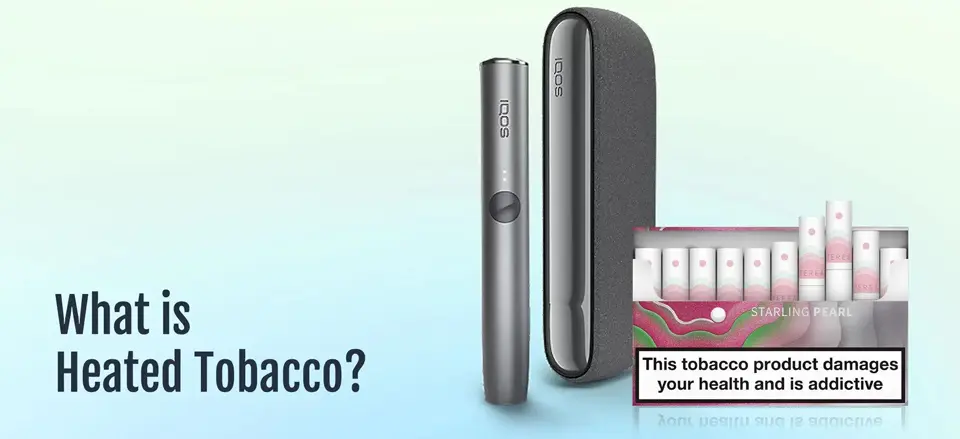
Heated Tobacco as a Category
Products like heated tobacco systems are becoming more visible because:
• they are positioned differently from traditional cigarettes
• they appeal to users looking for change, not necessarily quitting
At the same time, many smokers are simply comparing:
👉 “Is this better value over time?”
Important Reality Check
Not everyone switches.
In fact:
• many try alternatives and return to cigarettes
• others use both depending on situation
👉 The market is not replacing cigarettes — it’s expanding.
Decision Guide — What Should You Actually Do?
Instead of generic advice, let’s be practical.
If You Prefer Premium Experience
• Stay with brands you trust
• Accept higher cost as part of the experience
• Focus on consistency
👉 Best for: casual smokers or brand-loyal users
If You Want to Control Spending
• Consider mid-range brands
• Track monthly cost
• Avoid automatic habits
👉 Best for: daily smokers
If You’re Open to Change
• Explore alternatives gradually
• Compare real monthly costs
• Don’t switch blindly — test first
👉 Best for: flexible users
Expert Insight — What Most People Get Wrong
There’s a common misconception:
👉 “I’ll just find cheaper cigarettes.”
In the UK, this doesn’t work long-term.
Why?
• price increases affect all segments
• regulations limit true low-cost options
• supply and taxation are tightly controlled
The Smarter Approach
Instead of chasing cheaper packs:
• understand your consumption
• optimize your choices
• think in monthly, not daily costs
This is how experienced smokers adapt in 2026.
Key Takeaways (Quick Summary)
• UK cigarette prices are among the highest globally
• Average pack price is already £13–£18
• Prices will continue rising every year
• Brand differences exist — but cost impact is bigger
• Smokers are adapting, not disappearing
👉 The most important shift:
Smoking is now a financial strategy, not just a habit.
FAQ — Cigarette Prices in the UK
Why are cigarettes so expensive in the UK?
Because of high taxation, strict regulation, and government policies aimed at reducing smoking rates.
What is the average price of a pack in 2026?
Typically between £13 and £18, depending on brand and location.
Will cigarette prices go down?
No — all indicators show continued increases over time.
Are cheaper brands worth it?
They can reduce cost, but the difference in experience may vary depending on personal preference.
What are people doing to save money?
• Switching brands
• Reducing consumption
• Exploring alternatives
Is smoking becoming less popular in the UK?
Yes, but it’s evolving rather than disappearing completely.
Final Thought
The UK cigarette market in 2026 is no longer about simple choices.
It’s about:
• understanding the system
• adapting to rising costs
• making informed decisions
And those who understand this early are the ones who navigate it best.










Add comment
You must be logged in to post a comment.