
 Help
Help
Marlboro Cigarette Prices in the UK
The price of Marlboro cigarettes in the United Kingdom is not just a simple number—it reflects taxation policies, brand positioning, distribution channels, and changing consumer behavior. Over the past decade, cigarette pricing in the UK has evolved into one of the most complex and regulated markets in the world.
For modern buyers, understanding price is no longer about comparing one pack to another. It is about understanding why prices differ, how they are structured, and what factors influence the final cost. This is especially important for globally recognized brands like Marlboro, which maintain a premium position across multiple markets.
Within structured product ecosystems such as the Marlboro category, users are exposed to different variants that may appear similar but are priced differently depending on positioning, strength perception, and demand.
The UK market amplifies these differences due to high excise duties and strict regulations, making it essential for buyers to approach pricing with a clear understanding of the underlying structure.
Quick Answer — Marlboro Prices in the UK
Marlboro cigarettes in the UK are among the most expensive globally, primarily due to taxation. Prices vary depending on the variant, but the general structure remains consistent:
• Premium positioning → higher baseline price
• Brand recognition → stable demand
• Government taxation → primary cost driver
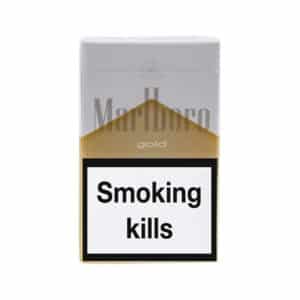
Variants such as Marlboro Red typically represent the full-strength category, while options like Marlboro Gold offer a smoother alternative. Despite these differences, both fall within the same premium pricing tier.
The key takeaway is that price differences between variants are relatively small compared to the overall impact of taxation and market structure.
Who This Guide Is For
UK Buyers and Price-Conscious Users
This guide is designed for:
• Buyers in the UK market
• Users comparing cigarette prices across brands
• Smokers evaluating premium vs budget options
• International buyers trying to understand UK pricing
It is especially useful for those who want to move beyond surface-level comparisons and understand how pricing actually works.
Why Marlboro Prices Are So High in the UK
Taxation as the Primary Factor
The UK has one of the highest tobacco tax rates in the world. A significant portion of the price of each pack is made up of excise duties and VAT. This means that the brand itself accounts for only part of the final price.
Taxation policies are designed to reduce consumption, which directly affects how cigarettes are priced. As a result, even minor changes in tax rates can lead to noticeable price increases.
Brand Positioning and Demand
Marlboro maintains a strong global reputation, which allows it to sustain a premium position even in highly regulated markets. Demand remains stable despite high prices, which reinforces its pricing structure.
This combination of strong branding and regulatory pressure creates a pricing environment where Marlboro consistently remains at the higher end of the market.
Comparing Marlboro Within the UK Market
Premium vs Budget Segments
The UK cigarette market is divided into multiple segments:
• Premium brands
• Mid-range options
• Budget brands
Marlboro firmly occupies the premium segment. While cheaper alternatives exist, they often differ in consistency, perception, and overall experience.
For a broader overview of how cigarette pricing works across the market, resources such as cigarette prices in the UK 2026 provide additional context.
Variation Between Marlboro Types
Although all Marlboro variants are premium, there are slight differences in pricing depending on demand and positioning. However, these differences are relatively small compared to the overall price level.
The choice between variants is usually driven by preference rather than cost, as the price gap is minimal.
Market Trends and Price Growth
Continuous Price Increase
Cigarette prices in the UK have been increasing steadily for years. This trend is expected to continue due to ongoing tax adjustments and regulatory pressure.
Users who follow the market closely understand that waiting for lower prices is rarely effective. Instead, they focus on understanding how pricing works and making informed decisions based on current conditions.
Transition to Deeper Analysis
At this stage, it becomes clear that Marlboro pricing in the UK is shaped by a combination of taxation, brand positioning, and market structure.
In the next part, we will analyze real purchasing behavior, compare Marlboro to other brands, and explore how users navigate the market to find the best value.
Real Buying Behavior — How UK Consumers Navigate Prices
From Sticker Price to Actual Choice
In the UK, the shelf price of Marlboro is only the starting point of the decision. Because most premium brands cluster within a narrow price band (driven largely by taxation), consumers rarely decide based on price alone. Instead, they evaluate perceived value—how the product feels over repeated use, how consistent it is, and whether it aligns with their habits.
In practice, this means two buyers looking at the same pack can make different choices for entirely different reasons. One prioritizes familiarity and consistency; another looks for small savings across cartons; a third experiments with alternatives to manage overall spending. The decision becomes behavioral, not purely numerical.
Price Anchors and Substitution
Why Marlboro Remains the Benchmark
Marlboro often acts as a price anchor in the UK market. Consumers compare other brands against it to judge whether something is “expensive” or “cheap.” Even when buyers switch, they typically measure savings relative to Marlboro rather than evaluating each option independently.
This anchoring effect keeps Marlboro at the center of decision-making. Competing brands may undercut the price slightly, but the reference point remains the same, reinforcing Marlboro’s premium status.
Switching Without Leaving the Segment
Because tax compresses price differences, many users switch within the premium segment rather than moving to budget brands. The trade-off is not just price—it’s also about consistency and perception. A small saving may not justify a noticeable change in experience.
As a result, substitutions tend to be conservative. Users might alternate between variants or brands with similar profiles instead of making large jumps to lower tiers.
Cartons, Promotions, and Timing
Carton Economics
Buying cartons can reduce the effective price per pack, even in a heavily taxed market. For regular users, this becomes one of the few practical ways to manage cost without changing brands. The savings per pack may be modest, but over time they add up.
Carton buying also stabilizes supply—important for users who value routine and don’t want to make frequent purchases.
Timing Purchases
Short-term fluctuations—minor promotions, retailer differences, or timing around tax updates—can influence the final price. Experienced buyers pay attention to timing, especially when purchasing in larger quantities.
However, in the UK, timing plays a smaller role than in less regulated markets. Structural pricing (tax + brand positioning) dominates, so timing is an optimization, not a strategy.
Comparing Marlboro to Other UK Options
Premium Alternatives
Within the premium tier, alternatives are evaluated based on feel and consistency rather than large price gaps. Buyers often test nearby options but return to their baseline if the experience changes too much.
Guides like best cigarettes UK help map where Marlboro sits among other premium choices and how users compare them in practice.
Budget and “Value” Brands
Budget brands offer clearer price relief, but the trade-offs are more noticeable. For some users, this is acceptable; for others, it disrupts the routine. The decision becomes a balance between cost and consistency.
For those exploring lower-cost options, overviews such as cheap cigarette brands UK provide context on what to expect and where compromises typically appear.
Where Buyers Actually Purchase
Retail vs Alternative Channels
Traditional retail remains the most straightforward path, but buyers increasingly explore different channels depending on convenience, availability, and perceived value. Location, access, and purchasing habits all influence the final decision.
For a structured overview of options and considerations, where to buy cigarettes UK outlines how consumers approach purchasing in a regulated environment.
Friction, Convenience, and Trust
Convenience is not only about price—it’s also about how easy it is to complete a purchase. Friction (limited availability, queues, restricted hours) can push users toward alternatives even if prices are similar.
Trust also plays a role. Clear policies and transparent processes reduce uncertainty and make repeat purchases more likely, even when price differences are minimal.
Perceived Value vs Absolute Cost
Why Small Differences Matter
Even small differences in feel—draw, smoothness, consistency—can outweigh minor price gaps. In a market where taxes compress prices, perceived value becomes the primary driver.
This explains why Marlboro maintains its position despite high costs. Users are often willing to pay slightly more for a predictable experience.
Cost Management Without Compromise
Experienced buyers rarely chase the lowest price. Instead, they optimize within their preferred range—buying cartons, choosing familiar variants, and avoiding unnecessary switching that could reduce satisfaction.
This approach balances cost control with consistency, which is critical for long-term use.
Transition to Final Decision
By now, it’s clear that Marlboro pricing in the UK is less about finding the cheapest option and more about navigating a tightly structured market. Consumers adapt by optimizing behavior—where they buy, how they buy, and what trade-offs they accept.
In the final part, we’ll turn this into a clear decision framework: how to choose between Marlboro variants, when to consider alternatives, and how to manage costs without sacrificing experience.
Decision Framework — How to Approach Marlboro Prices in the UK
From Price Awareness to Smart Buying
After understanding how Marlboro pricing works in the UK, the final step is turning that knowledge into a practical strategy. The key is not to chase the lowest possible price, but to understand how to balance cost, consistency, and personal preference.
In a highly regulated market like the UK, prices are largely controlled by taxation. This means that large price differences between premium brands are rare. As a result, smart buying is not about finding dramatically cheaper options—it is about optimizing within a narrow range.
The goal is to make decisions that feel consistent over time rather than reacting to small price differences that may not significantly affect overall spending.
Choosing Between Marlboro Variants
One of the most common decisions buyers face is choosing between different Marlboro variants. While prices are similar, the experience can vary depending on preference.
Some users prefer a fuller, more structured profile, while others choose smoother options for everyday use. Because the price difference is minimal, the decision should always be based on comfort rather than cost.
Trying to optimize price by switching variants rarely leads to meaningful savings. Instead, it often creates inconsistency in the experience. The more effective approach is to select the variant that best matches daily habits and stay consistent with it.
Managing Costs Without Losing Quality
Consistency Over Constant Switching
A common mistake among price-conscious buyers is switching too frequently between brands or variants in search of small savings. While this may reduce cost slightly in the short term, it often leads to dissatisfaction.
Consistency plays a major role in long-term satisfaction. A product that delivers a predictable experience is more valuable than one that saves a small amount but feels inconsistent.
This is why many experienced users stay within a specific range rather than constantly experimenting.
Smarter Purchasing Patterns
Instead of focusing on individual pack prices, it is more effective to think in terms of purchasing patterns. Buying larger quantities, planning purchases in advance, and avoiding impulse decisions can help manage overall spending.
These strategies do not eliminate high prices, but they make them more predictable. Over time, this predictability becomes more important than short-term savings.
Understanding the Role of Alternatives
When to Consider Other Brands
While Marlboro remains a premium benchmark, some users explore alternatives for cost reasons. The key is to understand what is being traded.
Lower-priced options may reduce cost, but they often introduce differences in consistency and overall experience. For some users, this trade-off is acceptable. For others, it is not.
The decision should be based on priorities. If consistency is critical, staying within the premium segment is usually the better choice.
Avoiding False Economy
A “cheaper” option is not always more economical. If the experience is less satisfying, users may compensate by using more or switching frequently, which can offset the initial savings.
This is why evaluating value rather than price alone is essential. A product that performs consistently may provide better overall value, even if it costs slightly more.
The Role of Payment and Purchase Structure
Reducing Friction in Transactions
Another factor that affects buying decisions is the ease of completing a purchase. In the UK, certain payment limitations can create friction, especially in online environments.
Understanding available options, such as those outlined in payment methods, helps users navigate these limitations and complete transactions more efficiently.
Reducing friction improves the overall experience and increases the likelihood of consistent purchasing behavior.
Building a Reliable Buying Routine
A stable purchasing routine reduces uncertainty. Knowing where and how to buy simplifies the process and removes unnecessary stress.
Over time, this routine becomes part of the overall experience. It allows users to focus on consistency rather than constantly re-evaluating their choices.
Common Mistakes to Avoid
Overreacting to Small Price Changes
One of the most common mistakes is reacting too strongly to minor price fluctuations. In a market where prices are largely controlled, these changes rarely have a significant long-term impact.
Focusing too much on short-term variation can lead to unnecessary switching and reduced satisfaction.
Ignoring Personal Habits
Another mistake is ignoring how cigarettes fit into daily routines. The best choice is not the cheapest option, but the one that aligns with personal habits.
Understanding usage patterns helps create a more stable and satisfying experience.
Expecting Major Price Differences
Some buyers expect to find large price gaps between brands. In the UK, this is rarely the case. The market structure limits variation, especially within the premium segment.
Recognizing this helps set realistic expectations and prevents frustration.
Final Thoughts — Navigating a High-Price Market
Marlboro prices in the UK reflect a complex system of taxation, branding, and regulation. While the cost may seem high, it is consistent with the structure of the market.
The key to navigating this environment is not to fight the pricing system, but to understand it. Once users recognize how prices are formed, they can make more informed and confident decisions.
The Key Takeaway
The best approach is to focus on consistency rather than chasing small savings. A stable choice that aligns with personal habits provides more value over time than constant switching.












Add comment
You must be logged in to post a comment.